Engineering the future of
sustainable natural fibers.
Hemp, flax, ramie, banana, cashmere, merino wool and silk — grown, graded and processed to the tolerances global spinning mills build their reputations on.
Nine fibers. One standard of consistency.
From bast fibers grown for strength to animal fibers graded for softness, every line ships against a documented specification — not an approximation.
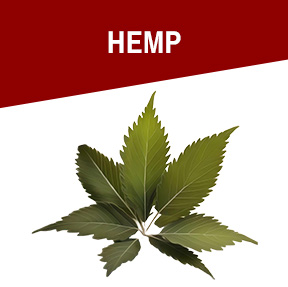
Hemp Fiber
View specification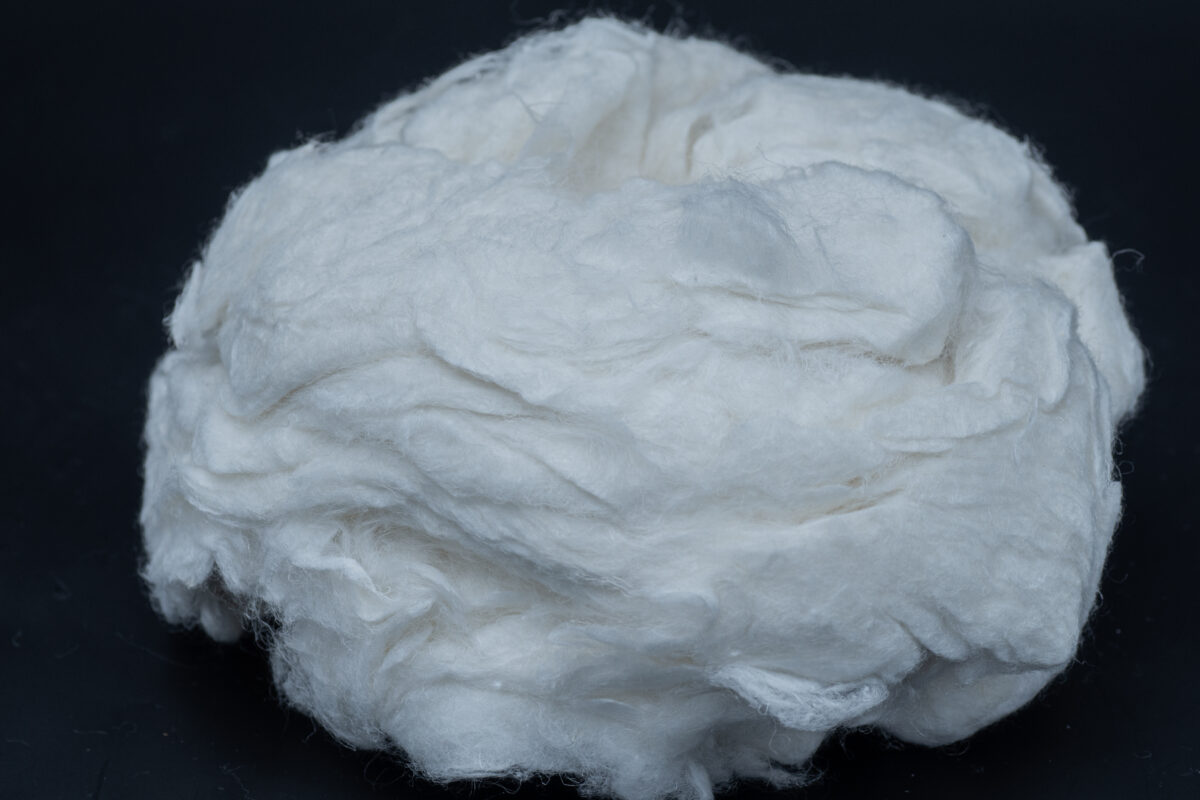
Hemp Tops
View specification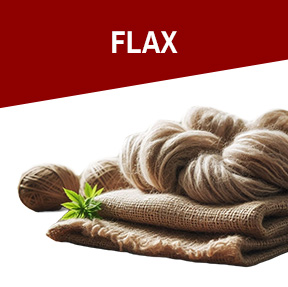
Flax Fiber
View specification
Ramie Fiber
View specification
Banana Fiber
View specification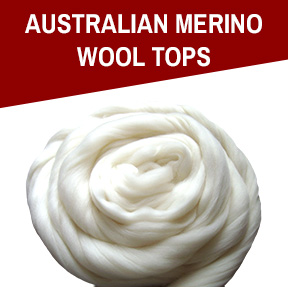
Merino Wool Tops
View specification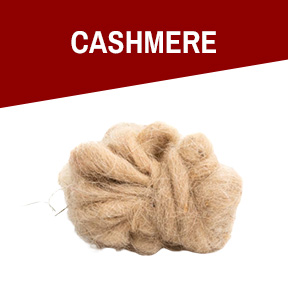
Cashmere Tops
View specification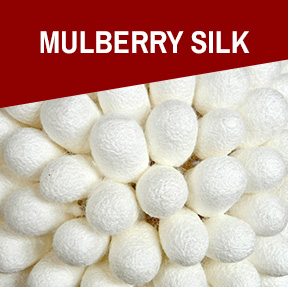
Silk Tops
View specification
Customized Blends
View specificationSix stages. Zero shortcuts.
Every batch — natural or blended — moves through the same disciplined sequence before it's cleared to ship.
Raw Intake
Fiber is received and screened for moisture, trash content and origin documentation.
Grading
Batches are sorted by fineness, length and colour against internal reference standards.
Cleaning & Decortication
Mechanical processing separates usable fiber from woody core and residual matter.
Combing & Carding
Fiber is aligned into tops or slivers ready for downstream ring or worsted spinning.
Lab Testing
Every lot is tested for fineness, length deviation, moisture regain and trash percentage.
Pack & Export
Bales are documented, sealed and prepared for shipment with full traceability records.
Built for mills across six industries.
Apparel & Fashion
Ring and worsted spun yarns for wovens, knits and premium ready-to-wear.
Home Textiles
Upholstery, drapery and bedding fabrics that need body without added weight.
Technical Textiles
Industrial-grade fiber for filtration, geotextiles and reinforcement applications.
Nonwovens & Composites
Bast fiber engineered for felting, needle-punch and natural composite substrates.
Personal Care & Hygiene
Biodegradable fiber for wipes, pads and next-generation hygiene substrates.
Automotive Interiors
Natural fiber reinforcement for lightweight, low-emission interior panelling.
Fiber that answers to the standards buyers now require.
Sustainability isn't a marketing layer here — it's the reason bast and animal fibers can compete with synthetics on performance while costing the planet less.
Traceable Sourcing
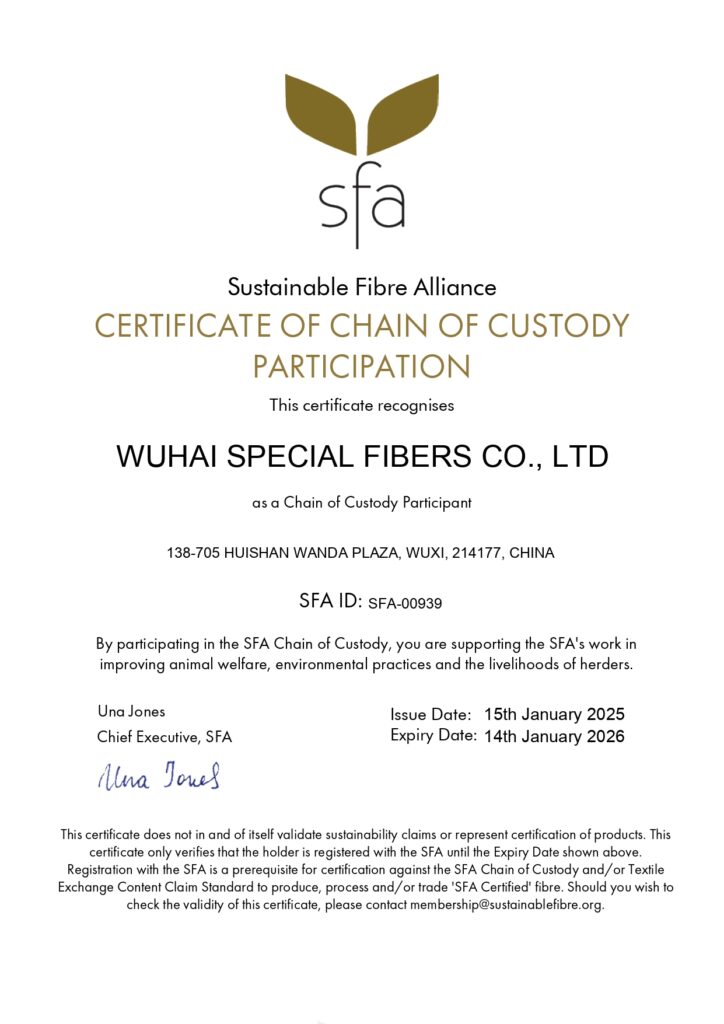
Fiber origin and chain of custody are documented from raw material to finished bale.
Water & Chemical Stewardship
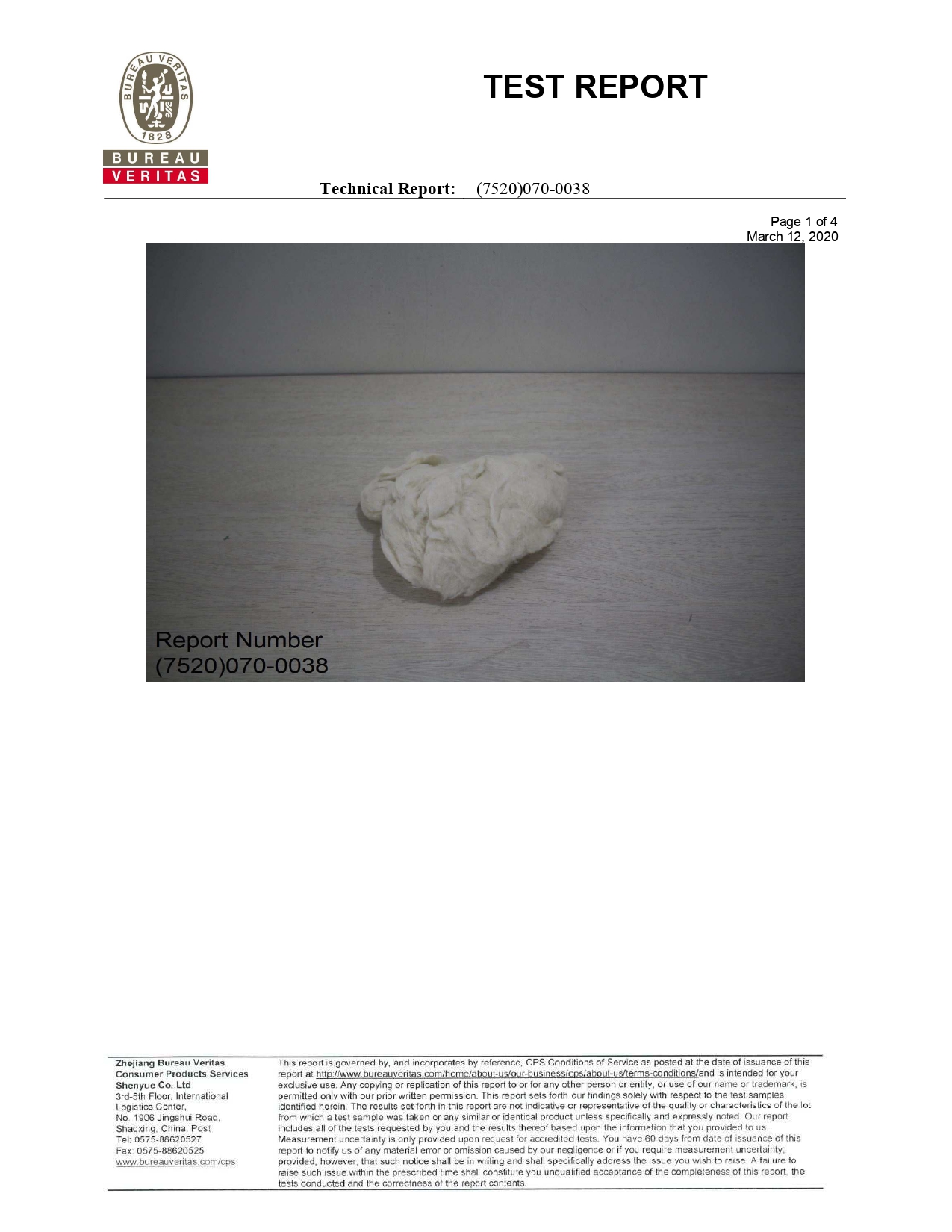
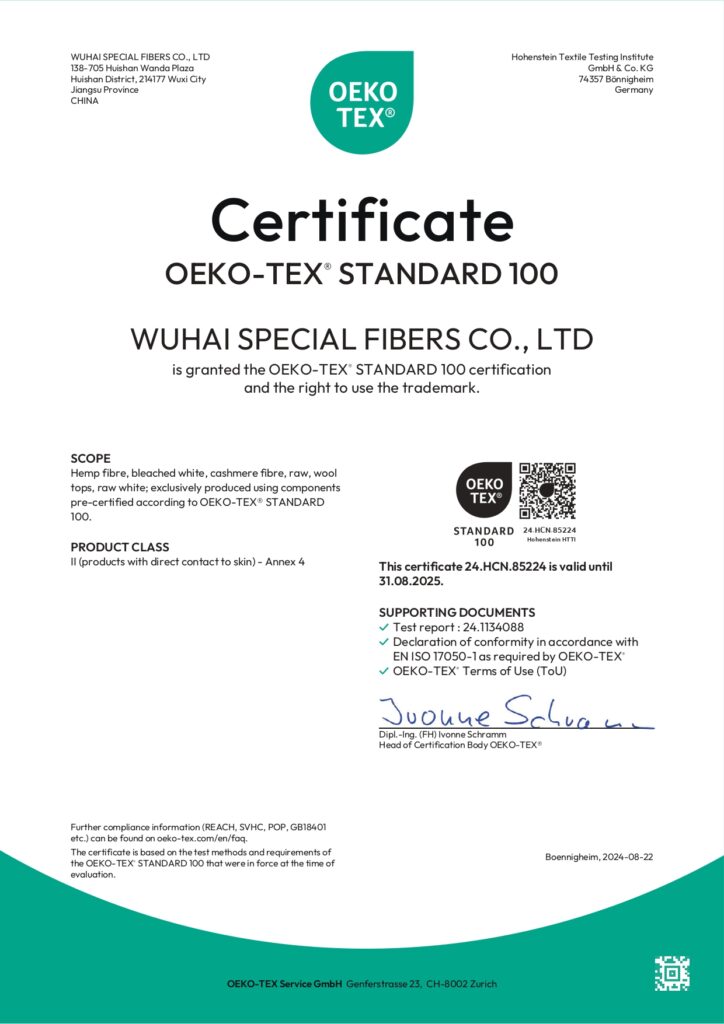
Processing is monitored against Bureau Veritas and OEKO-TEX 100 residue thresholds.
Certified Compliance
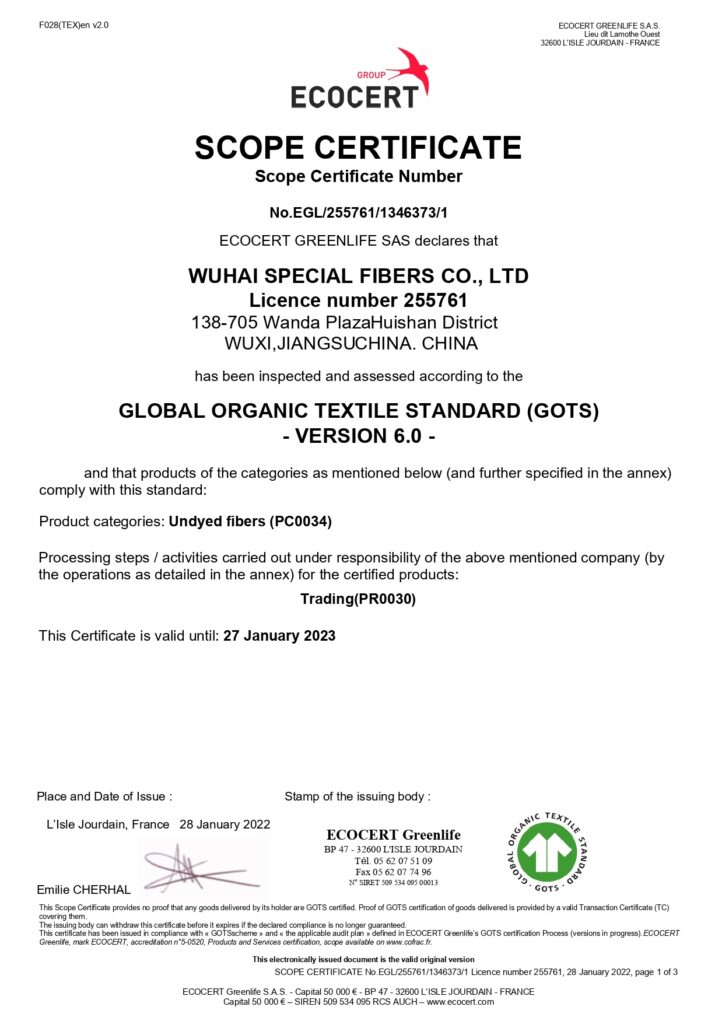
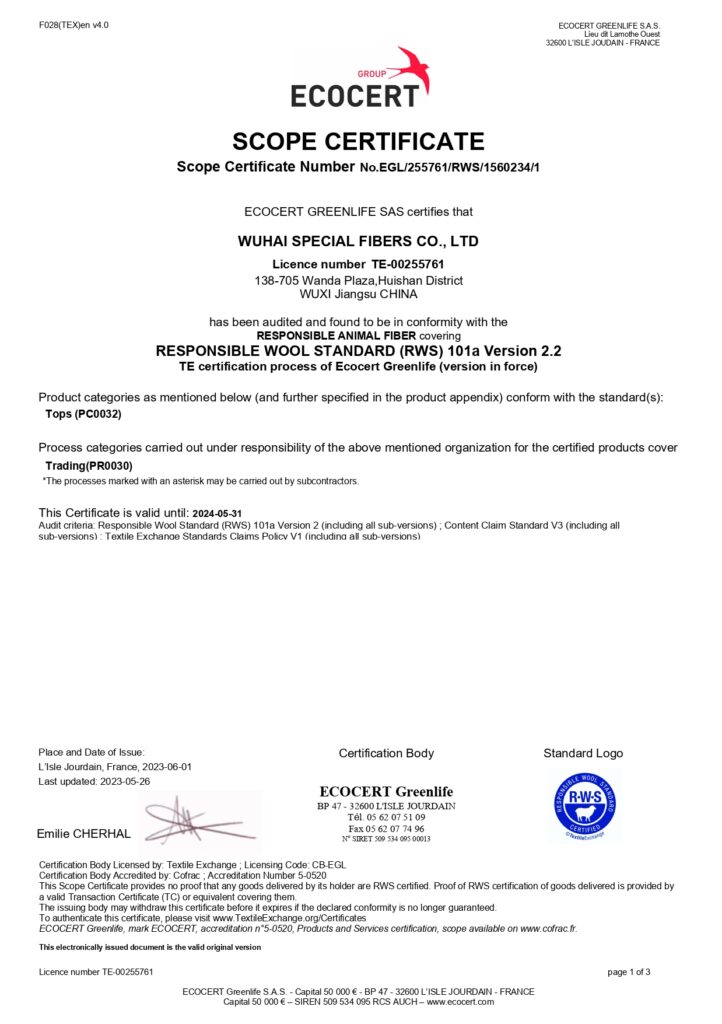
GOTS 6.0 and RWS 2.2 certification govern organic and responsibly-sourced wool lines.
Circular by Nature
Bast and animal fibers are biodegradable by design — no end-of-life liability.
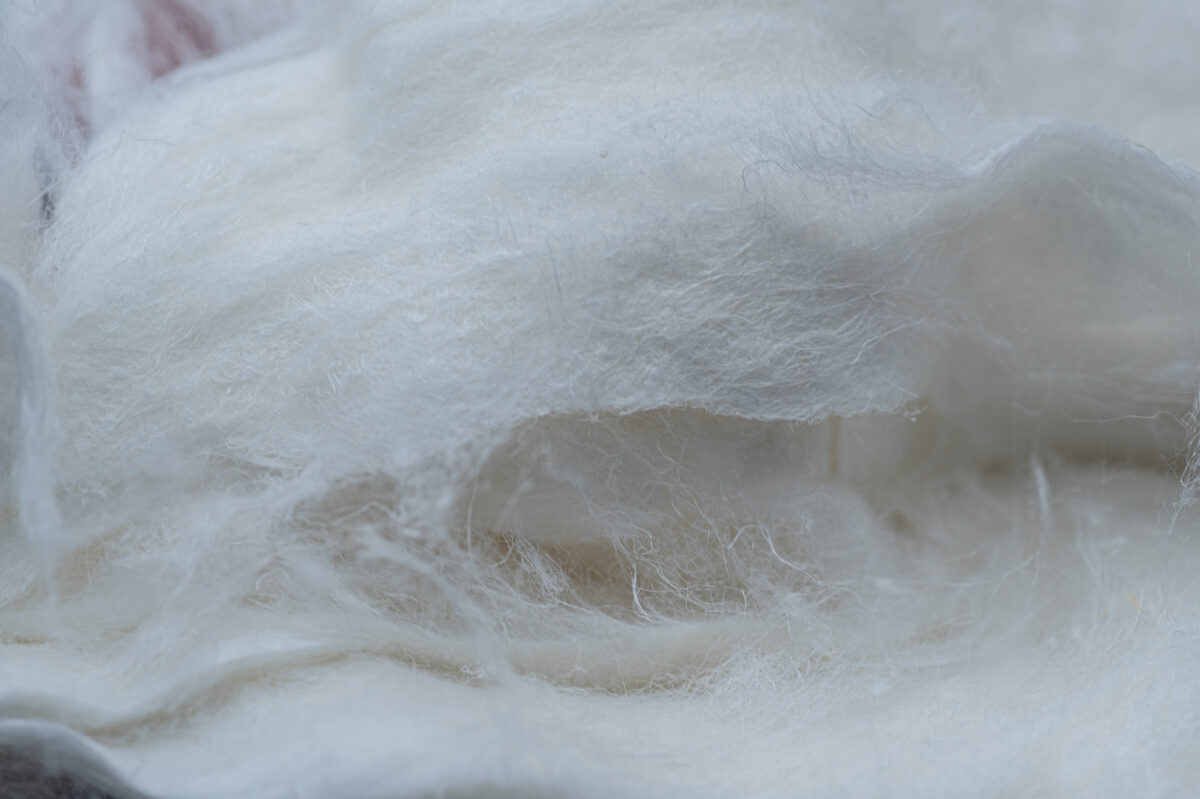
One hub in Zhejiang. A network built to export.
Positioned in Keqiao District — a short haul from China's largest textile trading hub — for buyers who need fiber to move as efficiently as it's produced.
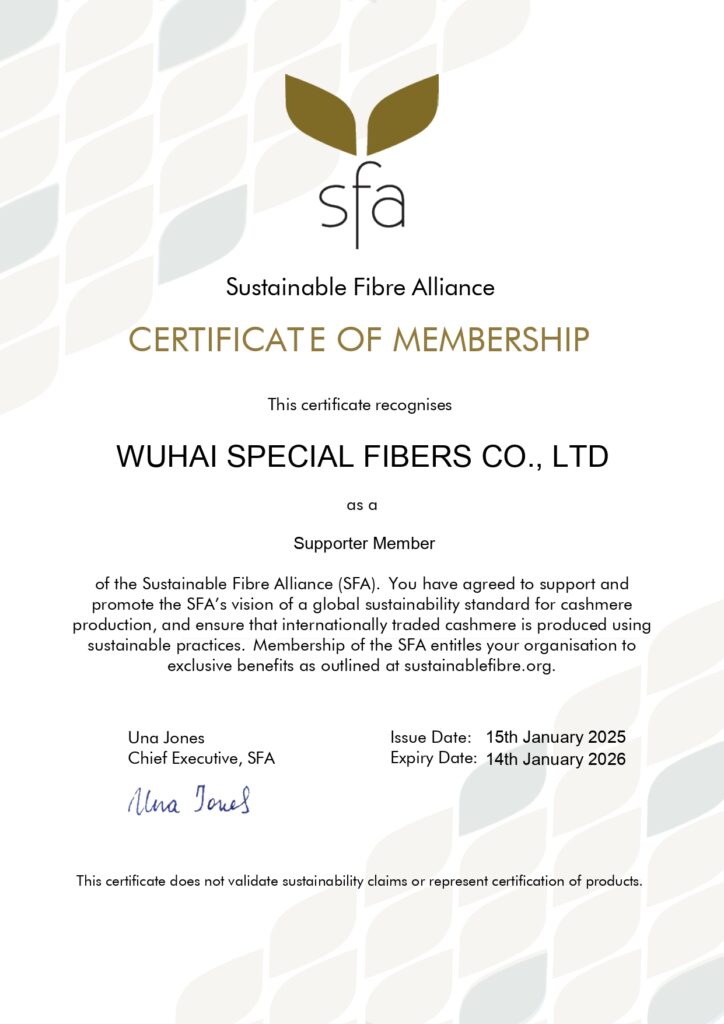
Certification documents, not marketing badges.
Full reports are available on request for any buyer auditing the supply chain.
Notes from the mill floor.
GOTS 6.0: what it actually verifies in a fiber supply chain
A practical look at what Global Organic Textile Standard certification covers — and what it doesn't.
Read moreBast fiber vs. cotton: where hemp and flax actually win
A specifier's guide to when bast fiber outperforms cotton on strength, water use and hand-feel.
Read moreHow to read a fiber technical datasheet before you buy
Fineness, trash percentage and moisture regain — the numbers that actually predict yarn performance.
Read more